About Us

About Us2026-02-19T19:44:19+00:00

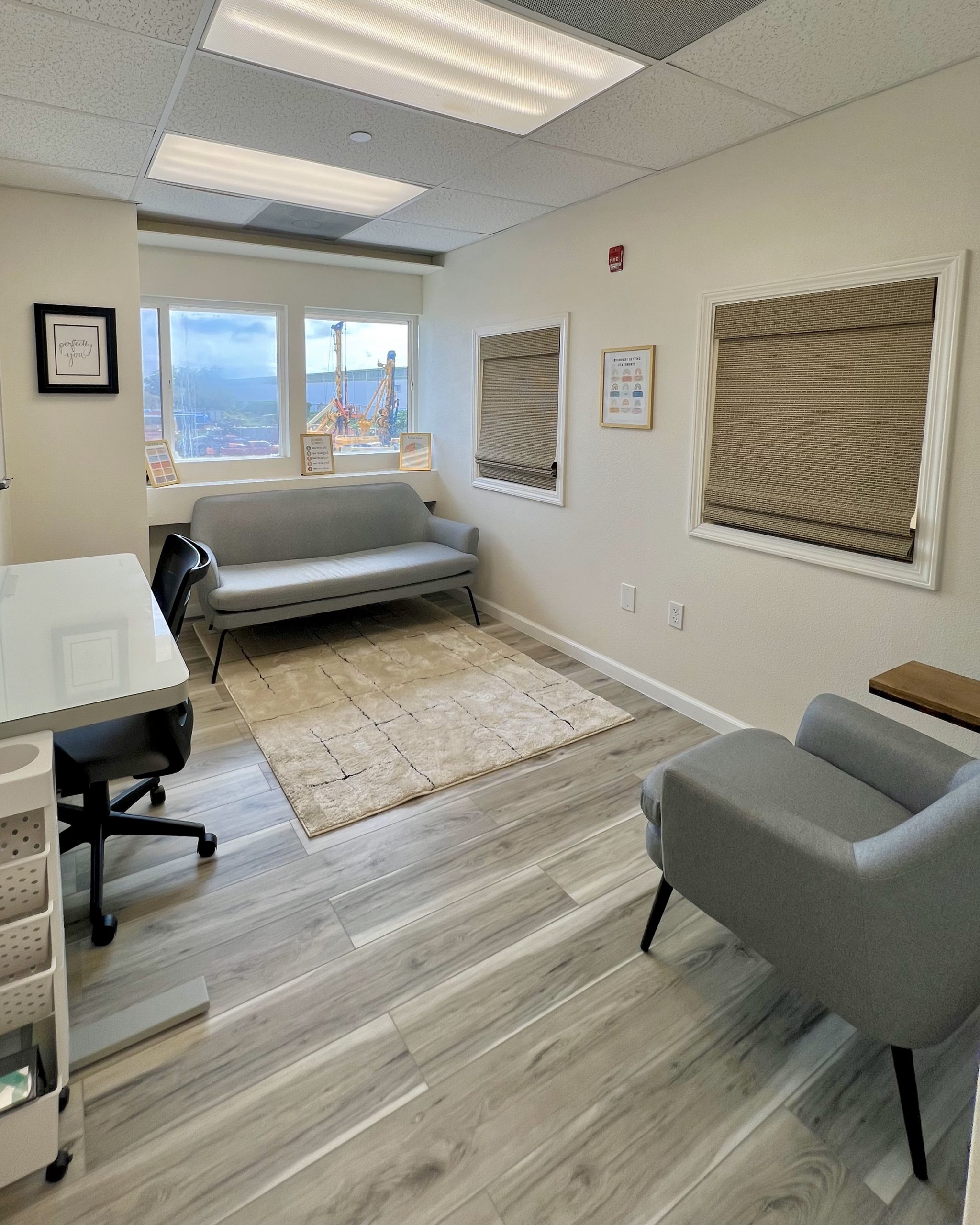
About Kapolei Counseling Center

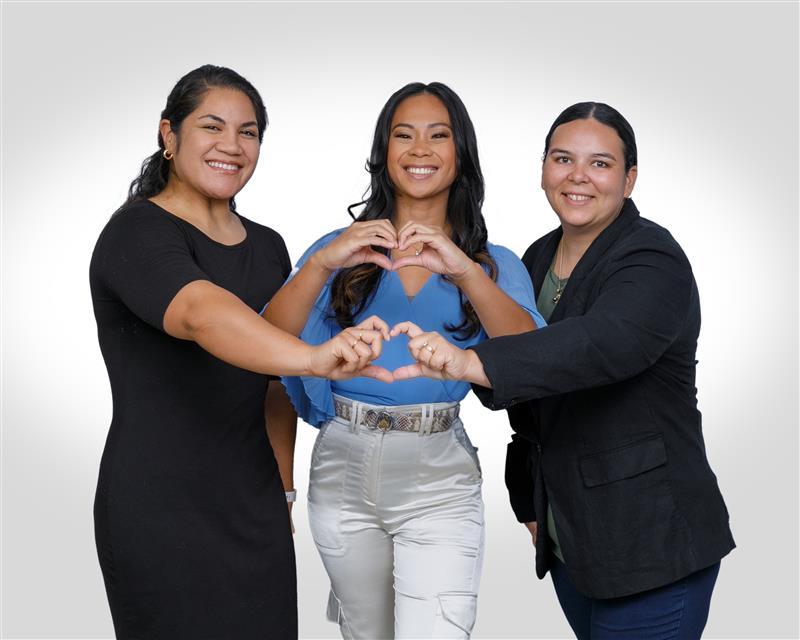
Kapolei Counseling Center first opened its doors in April 2014, founded by Emilee Omoto, who started as the sole therapist in private practice. Back then, Kapolei had fewer than 10 therapists in the area, and the practice quickly grew to meet the high demand for mental health services. On the Leeward side of O’ahu, there has always been a significant need for more therapists. By 2019, Emilee was already at full capacity, and the pandemic further increased the demand for therapy. With the introduction of telehealth and insurance coverage for these services, the need for more therapists became even more apparent. In 2022, Emilee felt called to train the next generation of therapists. She has invested her time to mentor both new and seasoned therapists, creating a collaborative and holistic team. After 9 years of solo practice, she decided to expand Kapolei Counseling Center to welcome new patients and provide much-needed mental health services on the Leeward side of O’ahu with a team of trained therapists.
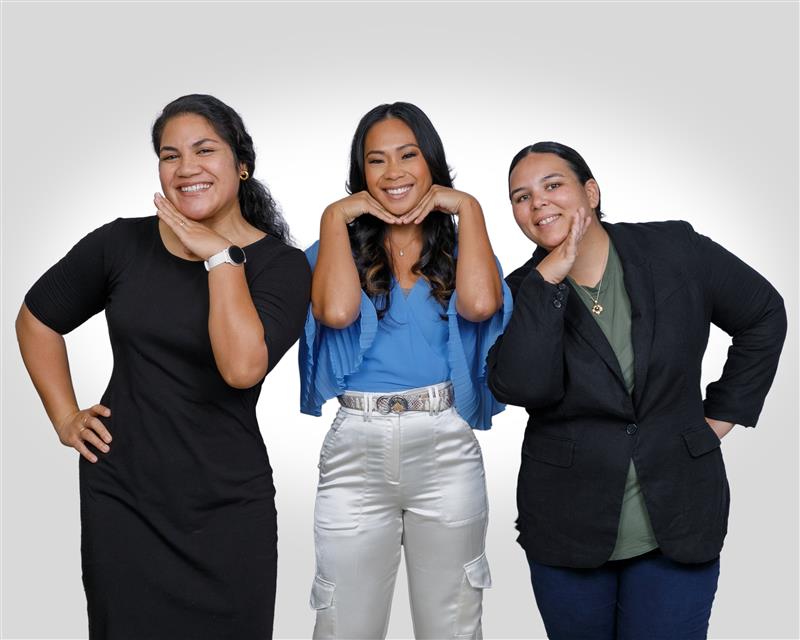
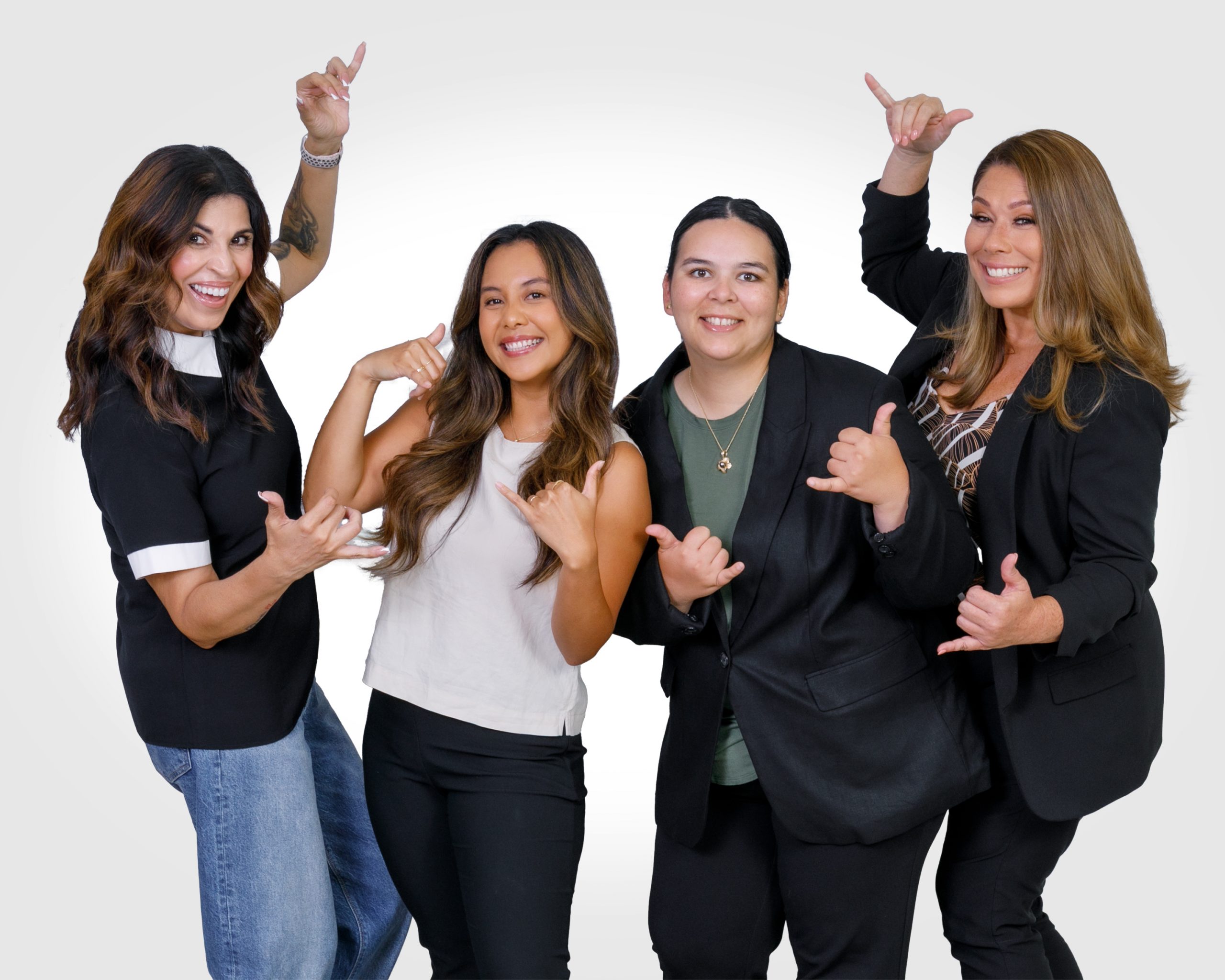
Meet Your Mental Health Providers

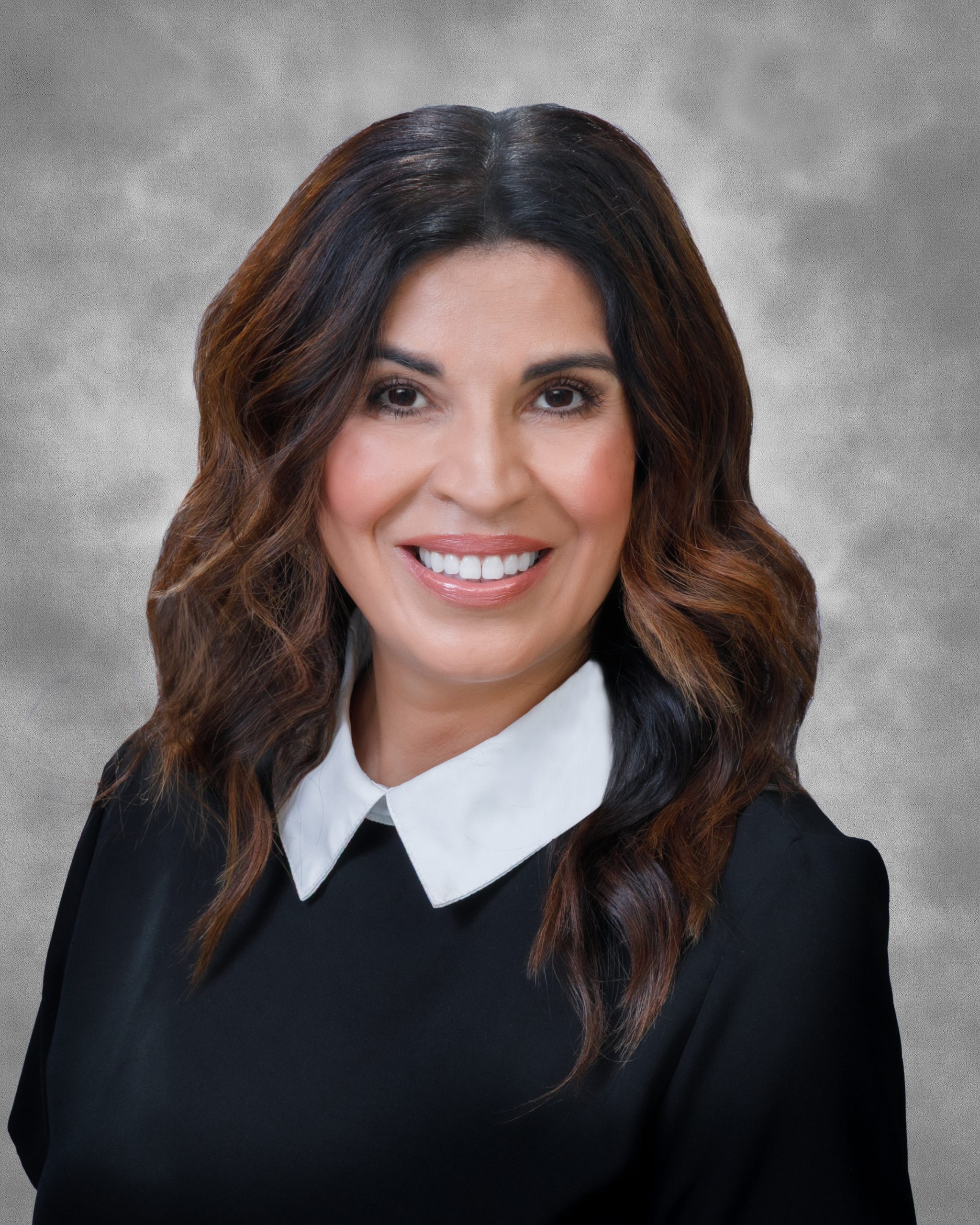
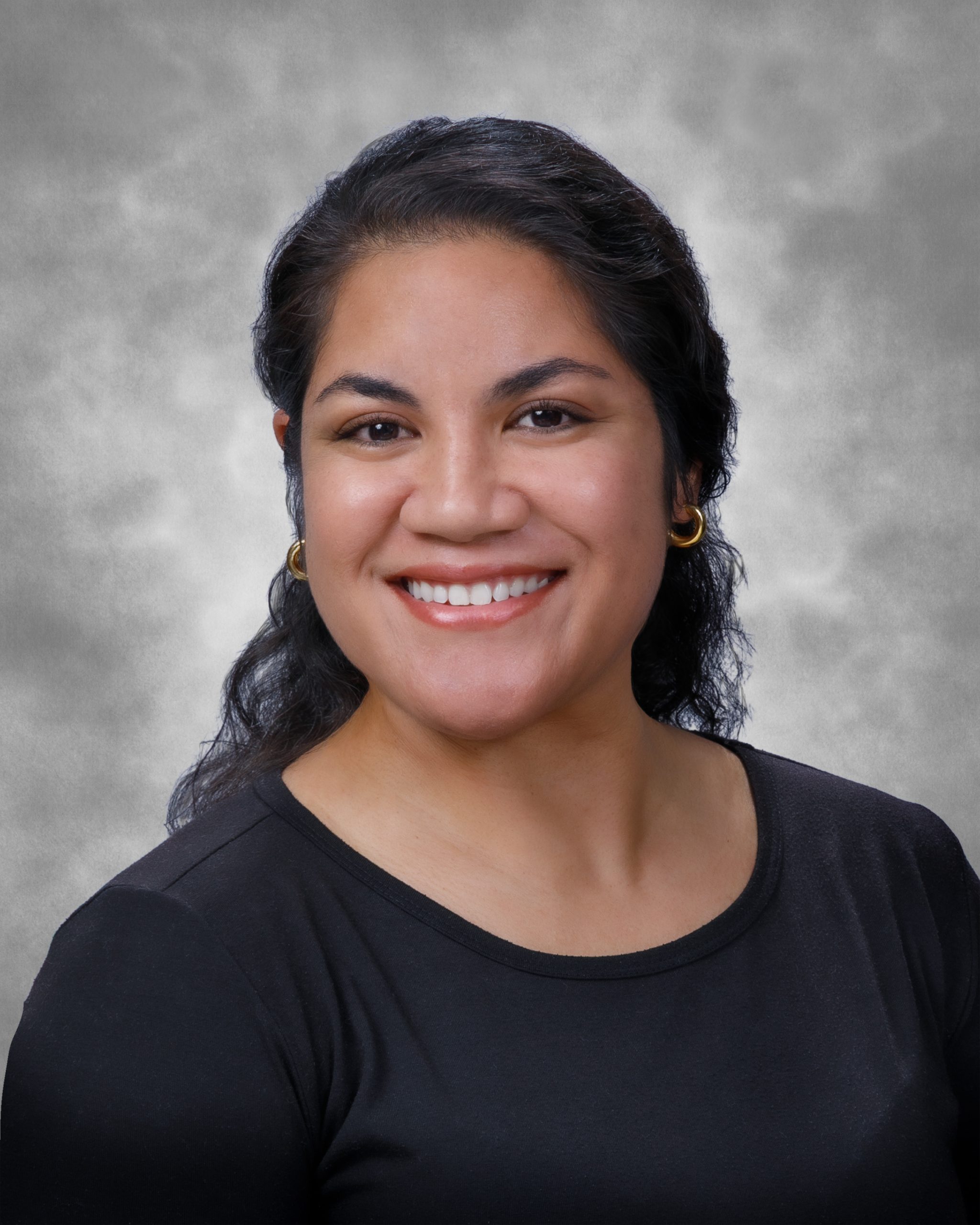
Understanding and feeling informed about who you’re working with can help you feel more confident, grounded, and connected in your care. Below is an overview of the licensed professionals on our team—their education, training, areas of focus, and the unique strengths they bring to the therapeutic process.
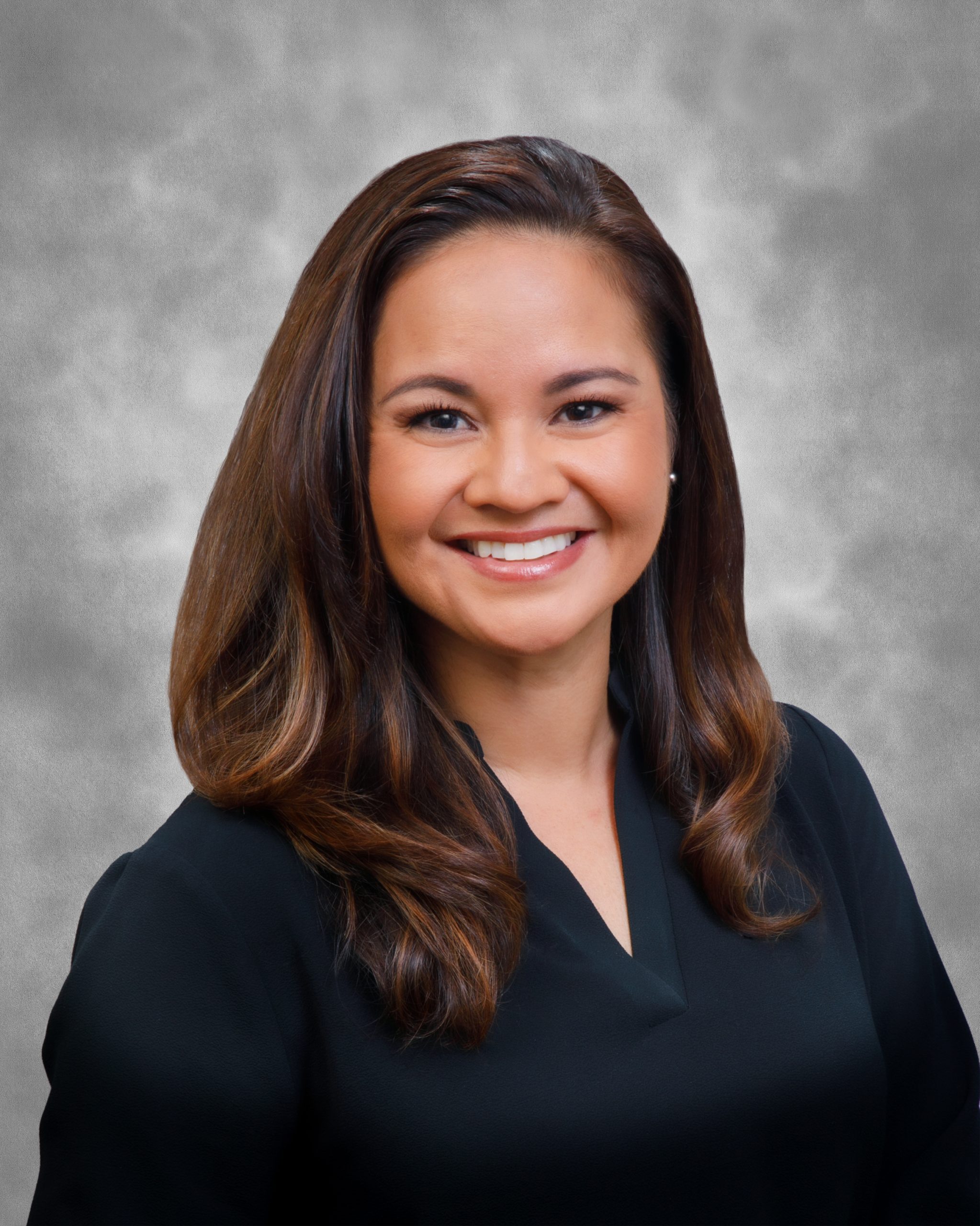

  • Degree: Master’s in Psychology (MA/MS) with emphasis in Marriage and Family Therapy
  • Training: Graduate coursework, practicum, 1,000 hours of supervised clinical experience, and 200 hours of clinical supervision
  • Focus: LMFTs specialize in relational dynamics. They work with couples, families, and individuals navigating relationship challenges, life transitions, and emotional distress, trauma, grief, and communication difficulties.
  • Degree: Doctor of Psychology (Psy.D.) or Doctor of Philosophy in Psychology (Ph.D.)
  • Training: Graduate school, clinical internships, and pre‑ and post‑doctoral fellowships (including a 1,900‑hour pre‑doctoral internship and a 1,900‑hour post‑doctoral internship)
  • Focus: Psychologists provide psychotherapy and psychological testing. They help clients explore thought patterns, behaviors, and emotional responses, and may offer diagnostic assessments to support treatment planning.
  • Degree: Master’s in Counseling Psychology (MA/MS)
  • Training: Graduate coursework, practicum, 3,000 hours of supervised clinical work, and 100 hours of clinical supervision
  • Focus: LMHCs support individuals experiencing stress, anxiety, depression, trauma, and other life challenges. They use evidence‑based approaches tailored to each client’s needs.
  • Degree: Master of Social Work (MSW)
  • Training: Graduate education, 3,000 hours of supervised clinical experience, and 100 hours of clinical supervision
  • Focus: LCSWs provide therapy and case management with an emphasis on social systems, advocacy, and community resources. They support clients through emotional healing, life transitions, and systemic barriers.
  • Degree: Master’s in Psychology, Counseling, or Social Work
  • Training: Completed graduate education and actively accruing supervised clinical hours toward licensure
  • Focus: Associates are emerging clinicians who offer therapy under the supervision of a licensed provider. They bring fresh perspectives, strong foundational training, and a deep commitment to growth and client care.
  • Degree: Currently enrolled in a graduate program in Psychology, Counseling, or Social Work
  • Training: Engaged in supervised practicum or internship as part of their academic requirements
  • Focus: Practicum students provide therapy under close supervision and are trained in evidence-based practices. Working with a student clinician can offer a collaborative, thoughtful experience with extra layers of support.
  • Compassionate Care: Every provider brings a unique lens, but all share a commitment to empathy, respect, and collaboration.
  • Tailored Support: We match you with a provider whose training and style align with your goals.
  • Whole-Person Approach: We consider your emotional, relational, cultural, and practical needs not just symptoms

The Team

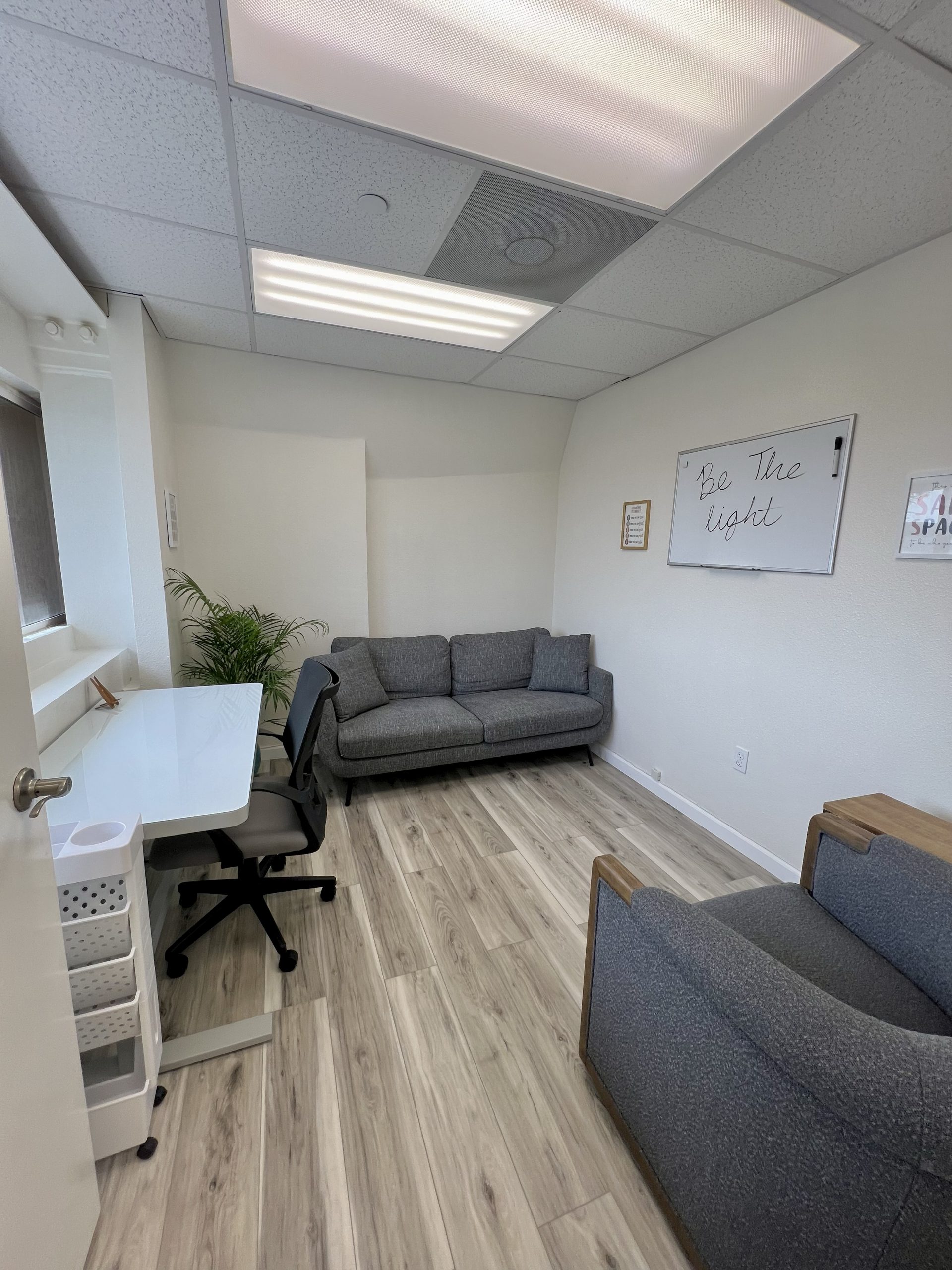
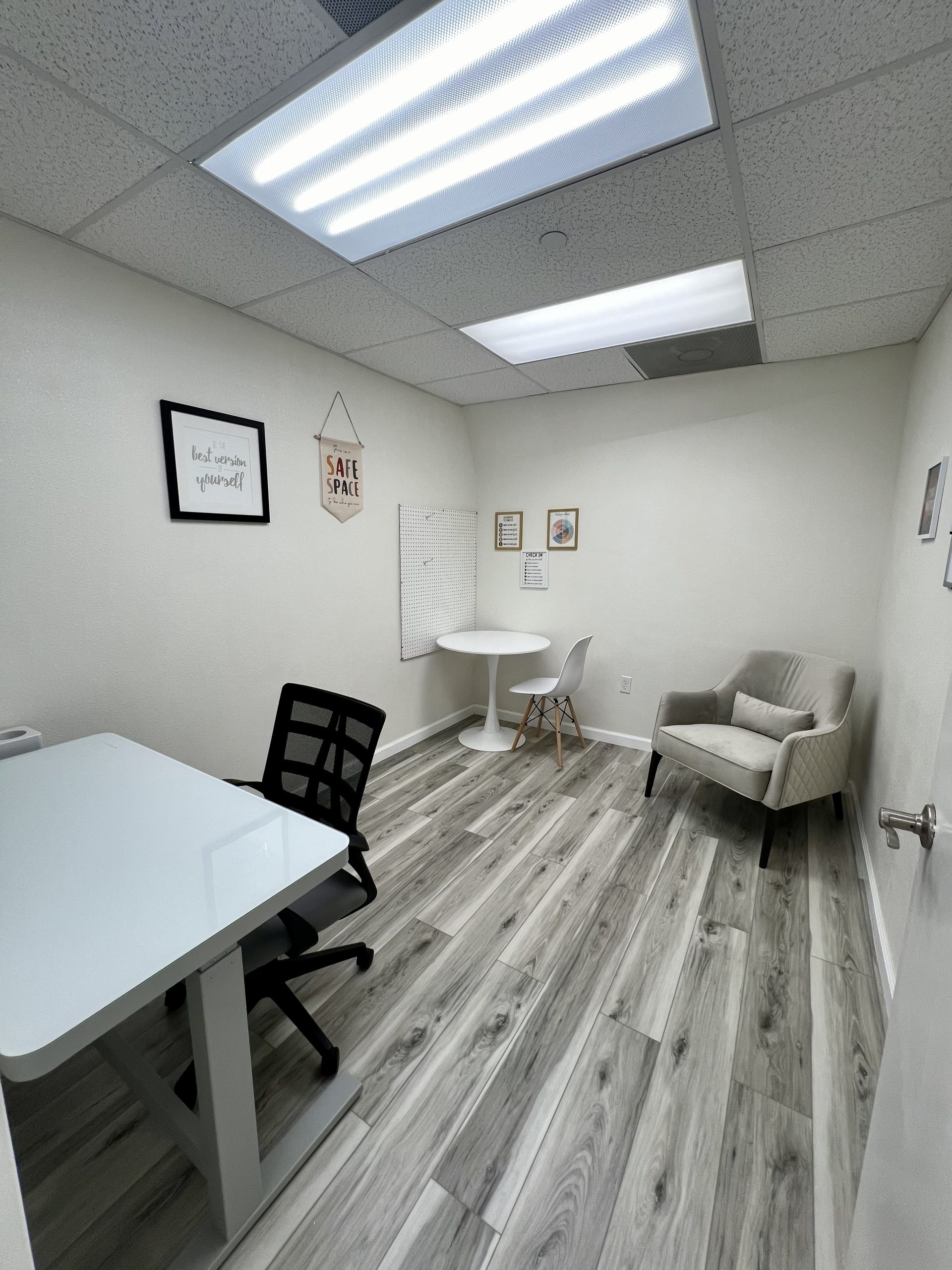
The Space

Go to Top